Endodontic Microsurgery (Apicoectomy)
 Root canal treatment is a procedure that’s necessary to save an infected or diseased tooth. Sometimes, when a root canal isn’t sufficient to solve the problem or the infection returns, our endodontists might recommend an apicoectomy.
An apicoectomy is a minor surgical procedure that we perform routinely at Curtis Endodontics with great success. Our patients appreciate that our endodontists and professional team are caring and supportive and that they can always count on us for comfortable, pain-free treatment.
Why We Recommend an Apicoectomy
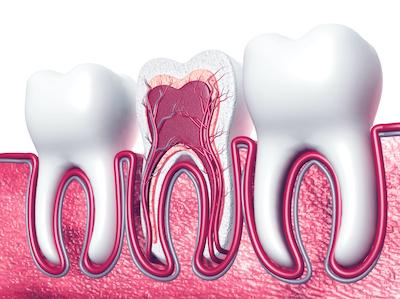
It’s possible to experience tooth pain and swelling months or even years after root canal treatment. This occurs because a tooth’s root system is fairly complex and consists of numerous canals and root branches.
In some cases, bacteria linger in the smaller root branches or in the root tip itself, called the apex. An apicoectomy is a procedure where our endodontists removes the root’s tip, known as the apex, in addition to infected tissue. For this reason, you may also hear this procedure referred to as root-end surgery or resection.
While an apicoectomy may sound complex or involved, you can put your fears to rest! The procedure is straightforward, and you can be confident that the experience will be efficient, with your comfort and excellent outcomes in mind.
What to Expect with Endodontic Microsurgery
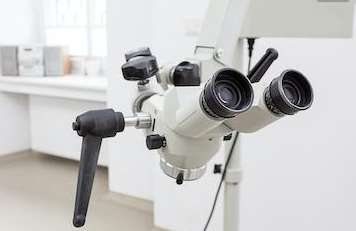
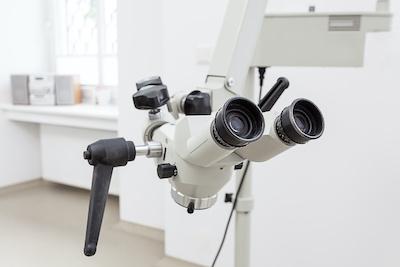
Specialists refer to an apicoectomy as endodontic microsurgery because they use sophisticated surgical microscopes to perform the procedure. The result is a level of accuracy, precision, and positive outcomes that would otherwise be impossible.
State-of-the-Art Diagnosis
The first step is evaluating the tooth and diagnosing the problem using sophisticated dental imaging, such as digital x-rays and 3-D cone beam CT scans (CBCT). Our specialists will explain their findings and help you understand how treatment will relieve any pain you’re experiencing and benefit your long-term oral health.
What Happens with an Apicoectomy?
 Before our endodontists start your procedure, they numb your tooth with a strong local anesthetic to ensure you remain comfortable and pain-free throughout your appointment.
The apicoectomy involves making a small incision in the gum to access and remove the root’s tip and infected tissue. After cleansing and sealing the area, a few tiny sutures are placed that will either dissolve on their own or be removed after healing. You can expect an apicoectomy to last 30-90 minutes depending on the tooth we’re treating.
Apicoectomy Recovery
After your procedure, your mouth will remain numb for several hours, and we recommend taking off the rest of the day to give your body time to rest and recover. Everyone reacts differently, but most of our patients are comfortable enough to return to their usual activities the next day.
However, some swelling or bruising in the treatment area is common and to be expected. Taking an over-the-counter pain reliever like ibuprofen is all that most patients need to control discomfort.
Trust the Team at Curtis Endodontics
Have been told that you might need an apicoectomy? Our endodontists in Camp Hill, PA, would be happy to see you, evaluate your needs, and determine how we can best help you.
Please call Curtis Endodontics at (717) 550-4040 to learn more.